
Beyond the Classroom: Why Story-Led Projects Re-Engage School Refusers

School refusal affects many families, especially those with primary school children. When a child struggles with anxiety or discomfort around school, it can feel like a constant battle just to get them to engage.
As a parent who has faced this challenge, I’ve found that story-led projects offer a powerful way to reconnect children with learning. By pairing narratives with physical, hands-on materials—like a carefully designed educational book—this approach goes beyond traditional classroom methods and taps into a child’s natural curiosity.
Why School Refusal Happens (and What It Means)
School refusal is more than just "not wanting to go." It often stems from anxiety, sensory overload, or feeling overwhelmed by social and academic pressures. For primary-aged kids, the transition to rigid school routines can be especially jarring.
When children refuse school, our instinct as parents is often to push harder, but this can increase stress and resistance. While homeschooling provides flexibility, it can sometimes lack the structure or "spark" needed to keep a child motivated. That’s why finding ways to engage children without the pressure of a traditional classroom is crucial.
How Story-Led Projects Capture Attention
Stories have a unique power to draw children in, creating a world where imagination and learning meet. Story-led projects use narratives to frame activities, making lessons feel like adventures rather than chores.
For example, a story about a young explorer solving puzzles can lead naturally into reading, writing, and problem-solving. When children become characters in the story, they feel involved and motivated. This shifts the focus from "school work" to "story play," significantly reducing anxiety.
The Magic of a Physical Welcome Pack
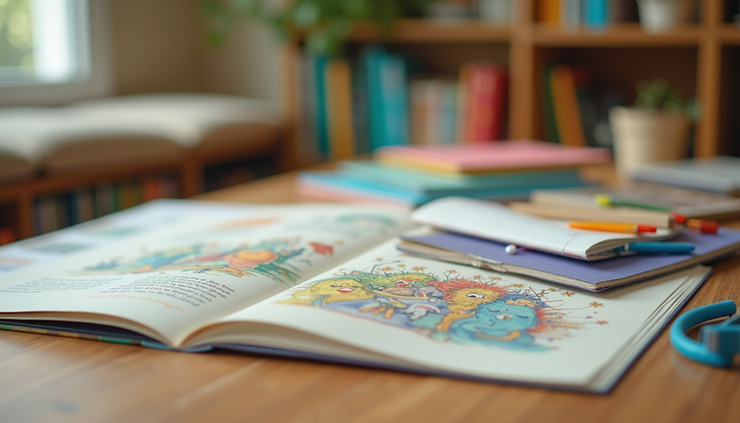
While digital resources are helpful, physical materials make learning tangible. This is why, with every Writers Classroom 6-week package, I send the child a physical Welcome Pack.
Designed specifically for school refusers, these packs include:
Beautifully illustrated storybooks
Engaging activity sheets
Hands-on tools like puzzles or craft supplies
Holding a book or manipulating objects makes learning real and accessible. It also provides a comforting routine that children can look forward to, helping ease the transition back into an educational mindset.
Story-Led Activities To Try at Home
If you are currently supporting a child at home, here are a few ways to introduce this method:
Create a Story Journal: Encourage your child to write or draw their own story inspired by their daily life. This builds writing skills through personal expression.
Role-Play Adventures: Act out scenes from a favorite book using costumes. This supports social skills and makes learning active and "un-scary."
Puzzle Challenges: Use story-themed puzzles (like those from Twinkl or The Writers Classroom) to develop critical thinking.
Art and Craft Projects: Let children build the settings or characters from the story using craft supplies to enhance fine motor skills.

Supporting Parents Through the Process
Parents often feel isolated when dealing with school refusal. Our 6-week courses at The Writers Classroom offer a clear, manageable roadmap to support your child without overwhelming the family.
It’s important to celebrate small wins. When a child completes a story activity or shows interest in a project, it builds the confidence needed to break the cycle of refusal.
Why This Approach Works Better Than Traditional Methods
Traditional settings can feel rigid and intimidating. Story-led projects provide:
Flexibility: Children engage at their own pace.
Creativity: Learning is an experience, not just memorization.
Physical Engagement: Tactile materials make abstract ideas concrete.
Emotional Connection: Stories help children process feelings and build empathy.
Moving Forward with Confidence
If your child is struggling, I invite you to explore our 6-week courses at The Writers Classroom. This method respects your child’s feelings while offering a fresh, joyful way to connect with education. By focusing on stories and hands-on play, we can create a bridge back to learning.


Comments